
How to Choose a Yoga Mat in India: Thickness, Material and Grip
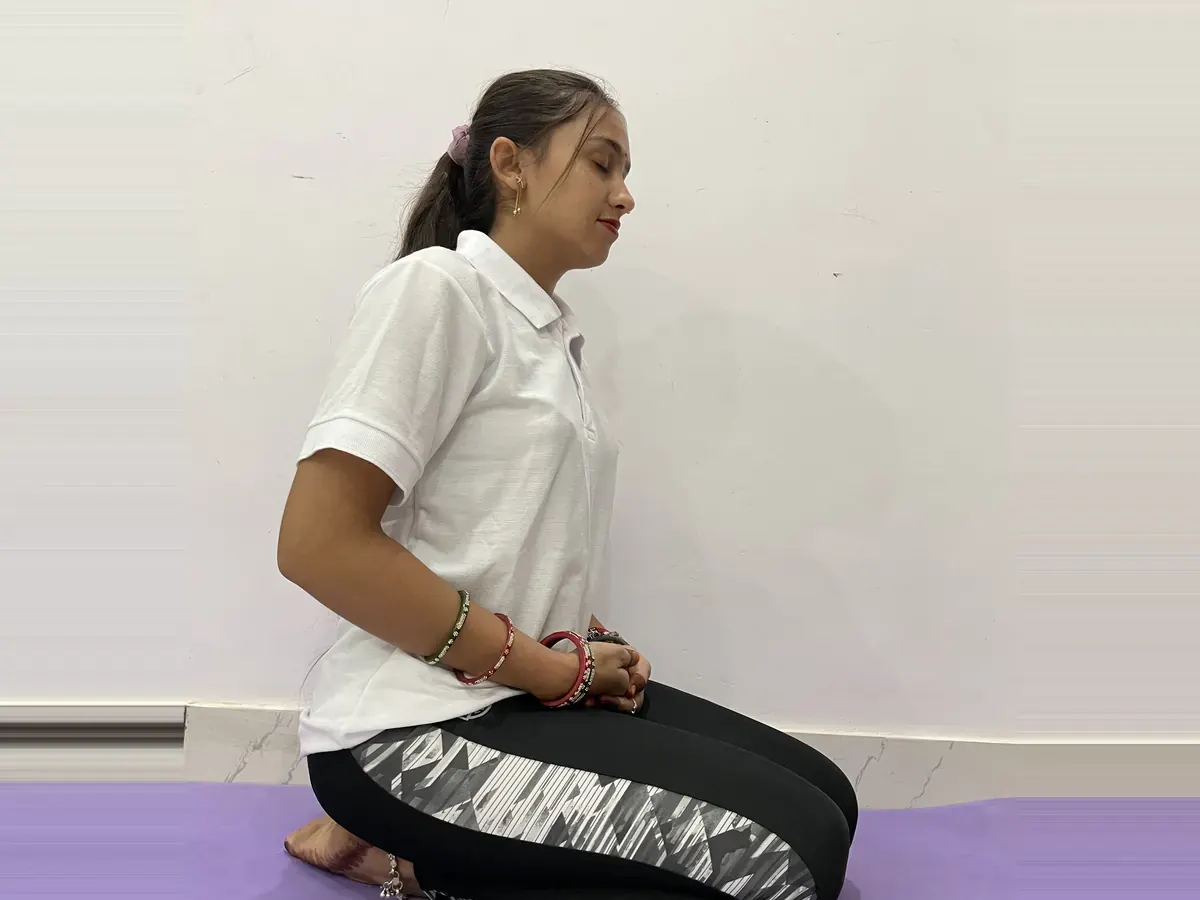
A yoga mat is the only thing you really need for yoga at home, and the wrong one can make practice uncomfortable or even unsafe. A mat that slides on the floor or turns slippery when your hands sweat is a common reason poses feel shaky. Here is how to choose one.
1. Thickness
- 3–4 mmLight and stable for standing balances. Can feel hard on the knees on a tiled floor.
- 5–6 mmThe best all-round choice for most home practice: enough cushioning, still stable.
- 8–10 mmVery soft. Comfortable for knees, but wobbly for balance poses. Better for gentle stretching.
If your knees are sensitive, choose a 5–6 mm mat and fold a towel under your knees when needed, rather than buying a very thick mat.
2. Material
- TPELight, good grip, easy to carry. A good first mat. Can wear out faster with heavy use.
- PVCDurable and widely available. Less eco-friendly, and some get slippery with sweat.
- NBR foamThick and soft, often 8–10 mm. Comfortable, but less stable for standing poses.
- Natural rubberExcellent grip and very stable. Heavier, and not for anyone with a latex allergy.
- Jute or cottonNatural and breathable. Good for pranayama and meditation; usually less grippy.
3. Grip
Grip matters more than anything else. Your hands and feet should not slide in Adho Mukha Svanasana (downward dog) or during Surya Namaskar. The mat should also stay put on your floor. On smooth tiles, look for a textured underside.
4. Size
A standard mat is about 6 feet long and 2 feet wide, which suits most people. If you are taller, your feet and head should both fit on the mat when you lie in Shavasana; if they do not, choose a longer mat.
5. Care
- Wipe it after practice with a damp cloth, or water with a little mild soap.
- Let it dry in the shade; direct sun can make some materials crack.
- Roll it with the top side facing out so the edges lie flat.
- Replace it when it starts to flake, tear or lose its grip.
Do not wait for the perfect mat to start. A folded durrie on a non-slippery floor works for your first week. Read how to start yoga at home for the rest of the setup.
Frequently asked questions
What thickness of yoga mat is best for beginners?
A 5–6 mm mat suits most beginners: cushioned enough for the knees and stable enough for standing poses.
Which yoga mat material has the best grip?
Natural rubber usually has the best grip, followed by good-quality TPE. Avoid very smooth PVC mats if your hands sweat.
Can I do yoga without a mat?
For a few days, yes, on a non-slippery floor or a folded durrie. For regular practice a mat protects your knees and stops your hands and feet from sliding.
This article is general information, not medical advice. If you have a health condition, an injury or are pregnant, talk to your doctor before you start yoga.