
How to Do Kapalbhati: The Right Way, and When Not to Do It at All
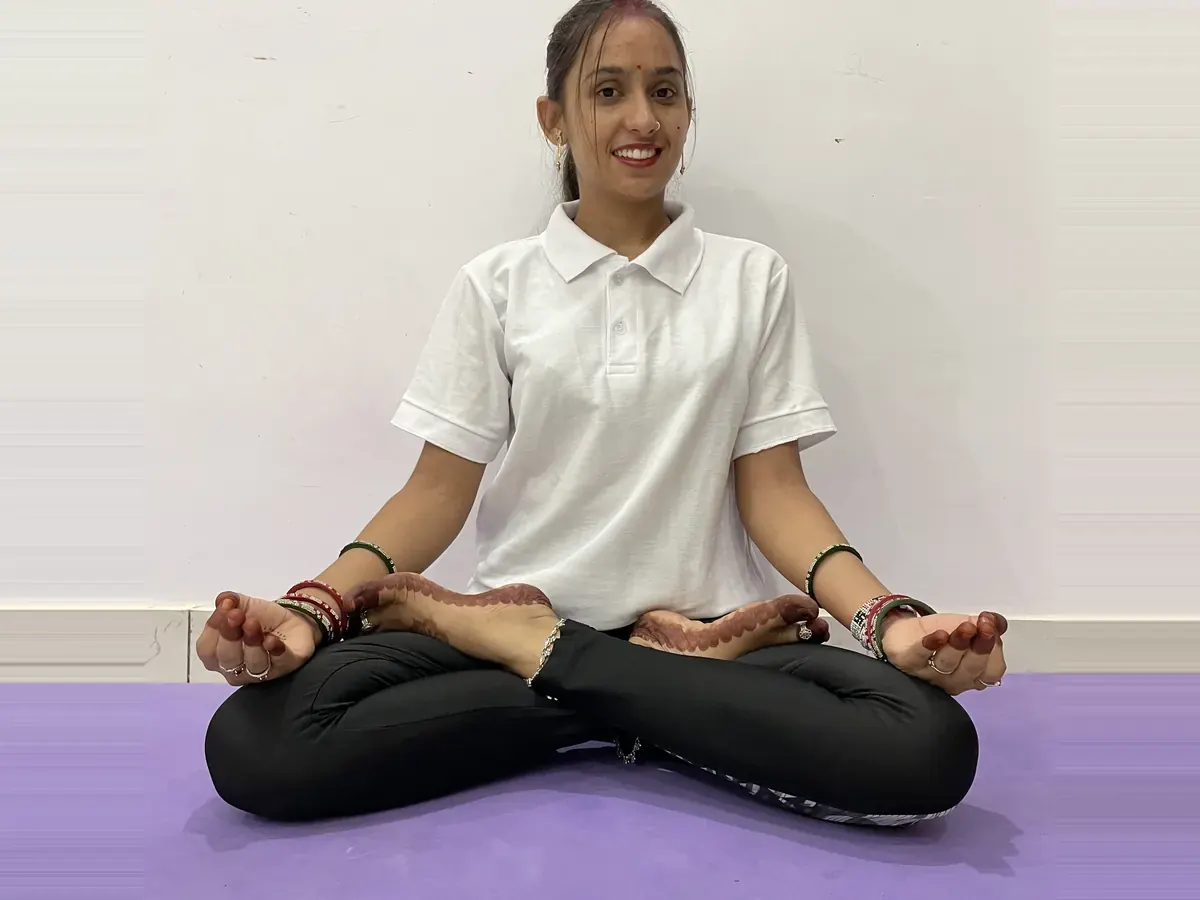
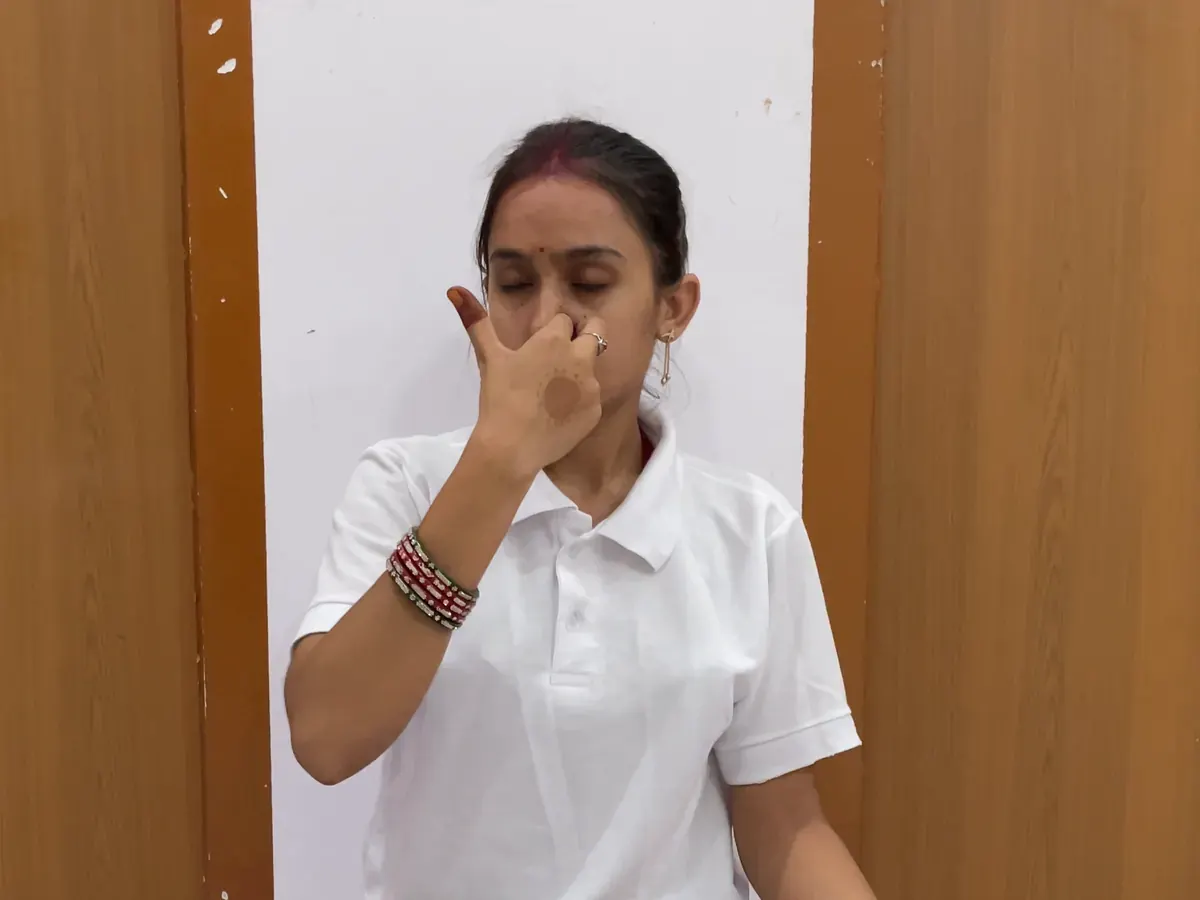
Kapalbhati is a fast breathing pranayama in which you push the breath out forcefully through the nose and let the inhale happen on its own. It is an energising practice that works the belly muscles, but it is not for everyone. So first, know when not to do it.
Do not do Kapalbhati if: you are pregnant, on your period, have high BP or a heart problem, have a hernia, have had recent abdominal surgery or a delivery, have epilepsy, or have a slip disc. If you have any health condition, ask your doctor first.
The right way to do Kapalbhati
- Sit uprightIn Sukhasana or Vajrasana, back straight, hands on your knees. Your stomach should be empty.
- Take one long breathBefore you start, calmly take one deep breath in and let it out.
- Push the breath outPull the navel in sharply as you breathe out forcefully through the nose. Don’t focus on breathing in; it will happen on its own.
- Find a rhythmAbout one stroke a second. Keep your shoulders and face still; only the belly works.
- Rest after each roundAfter every round, breathe normally and let your body settle.
How much should beginners do
In the first week, 15 to 20 strokes a round, and 2 to 3 rounds. Increase a little each week. Control of the breath matters more than speed. Stop at once if you feel dizzy, get a headache, feel uneasy in the chest or have pain in the stomach.
Benefits of Kapalbhati
- The belly muscles work and the core gets stronger.
- Done in the morning, it brings energy and freshness.
- The breathing muscles become active.
- It can be a good part of a weight loss routine, but on its own it does not reduce weight. Read yoga to reduce belly fat.
Common mistakes
- Pulling the breath in forcefullyOnly the out-breath is active. The in-breath should come on its own.
- Moving the shoulders and headKeep the body still; the movement should come only from the belly.
- Too fast and too much100 strokes on the very first day can cause dizziness and a headache. Build up slowly.
- Doing it after a mealDo it at least 3 hours after eating.
After Kapalbhati, Anulom Vilom is a good way to calm down.
Frequently asked questions
Can I do Kapalbhati during my period?
No. Avoid Kapalbhati during your period. Gentle stretching, Anulom Vilom and Bhramari are better at that time.
How long should I do Kapalbhati?
Beginners: 2 to 3 rounds of 15 to 20 strokes each. Increase gradually as you get used to it, but never beyond your capacity.
Can I do Kapalbhati with high BP?
Avoid Kapalbhati if you have high BP or a heart problem. Anulom Vilom (without holding the breath) and Bhramari are safer options, with your doctor’s advice.
Why does Kapalbhati make me dizzy?
Usually from doing it too fast or too much. Stop, breathe normally, and next time do fewer strokes at a slower pace.
This article is general information, not medical advice. If you have a health condition, an injury or are pregnant, talk to your doctor before you start yoga.