
Yoga for PCOD: Which Asanas to Do and What to Keep in Mind
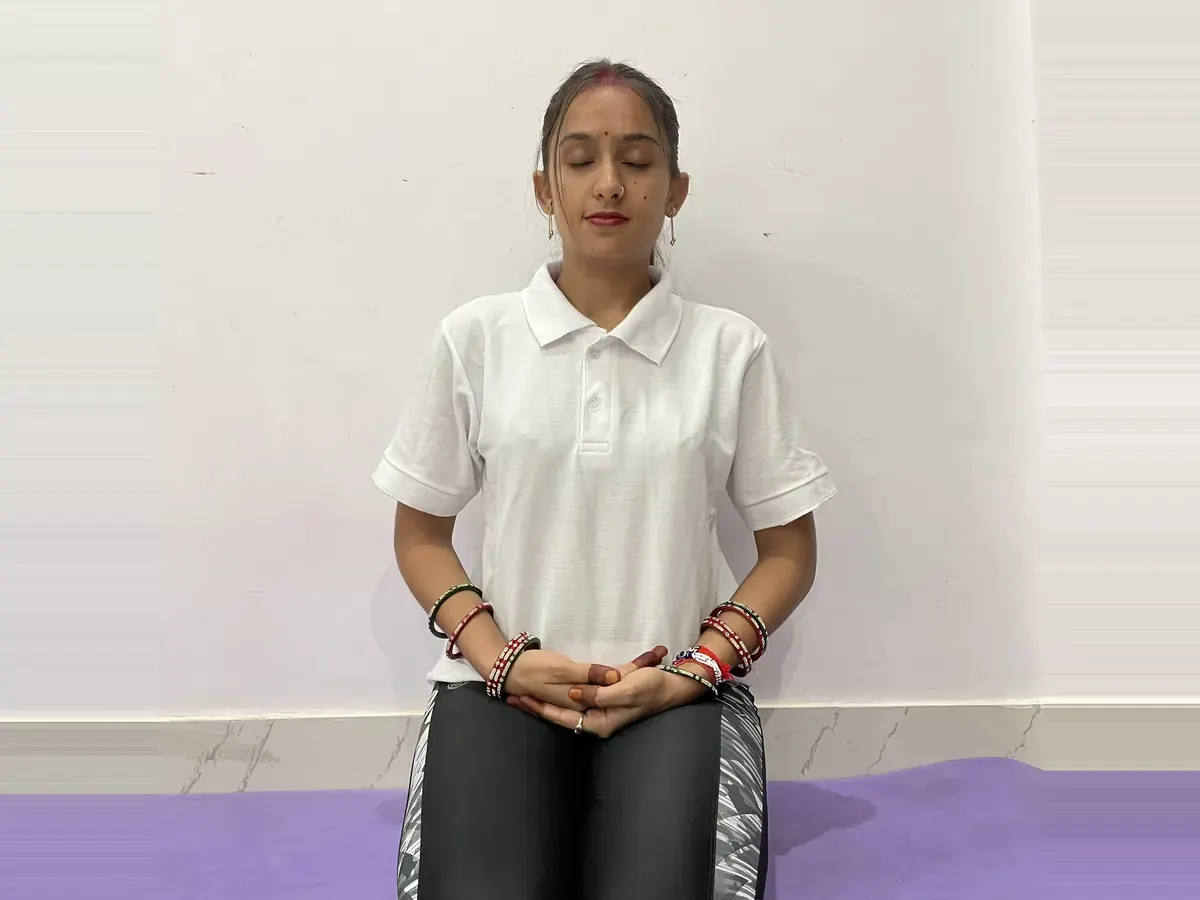
Many women today have PCOD (or PCOS): irregular periods, difficulty losing weight, tiredness, mood swings. Doctors often advise lifestyle changes along with medicine, meaning daily exercise, the right food, good sleep and less stress. Yoga can help with all of these at once.
Yoga cannot replace PCOD treatment. Talk to your gynaecologist before starting yoga, and decide to stop or reduce any medicine only together with your doctor.
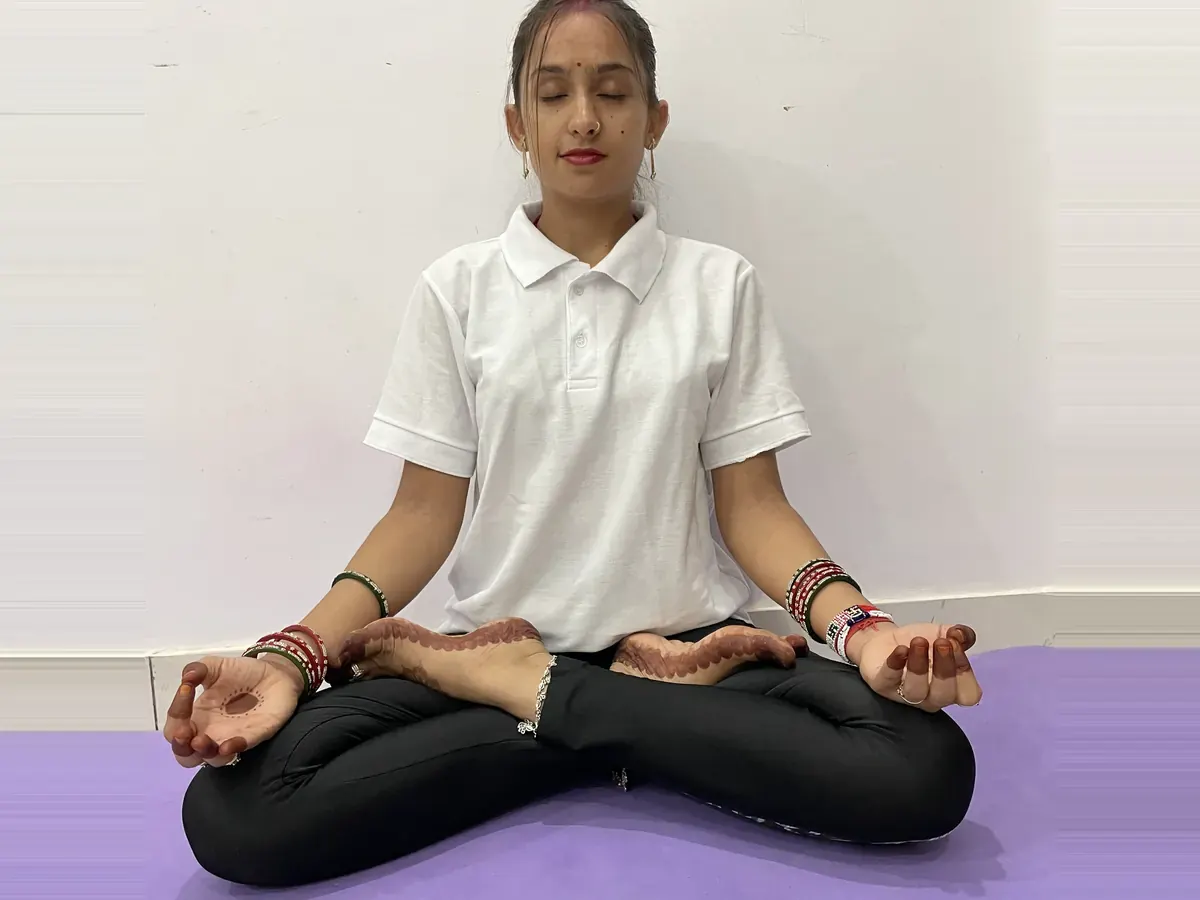
Two asanas Latika suggests for PCOD
Watch on YouTubeHow yoga helps with PCOD
- Regular exercise helps the body use insulin better, which is often a factor in PCOD.
- Pranayama and relaxation reduce stress, and stress affects hormones.
- Daily practice makes it easier to manage weight.
- Better sleep and mood make the other lifestyle changes easier to keep up.
Some research studies have also found that regular yoga can have a good effect on stress and some health markers in women with PCOS. But every body is different, so keep checking your progress with your doctor.
Asanas for PCOD
- Baddha Konasana (Butterfly)Opens the area around the hips and pelvis. Sit with a straight back and don’t press your knees down hard.
- Malasana (Garland Pose)For the hips and pelvic area. If your heels don’t reach the floor, put a folded towel under them.
- Setu Bandhasana (Bridge)Strengthens the lower belly and back. Hold for 3 to 5 breaths.
- Bhujangasana (Cobra)Stretches the belly and strengthens the back.
- Dhanurasana (Bow)For both the belly and the back. If you have back pain or are just starting, work on Bhujangasana first.
- Supta Baddha KonasanaButterfly lying down. For relaxation; you can put pillows under your knees.
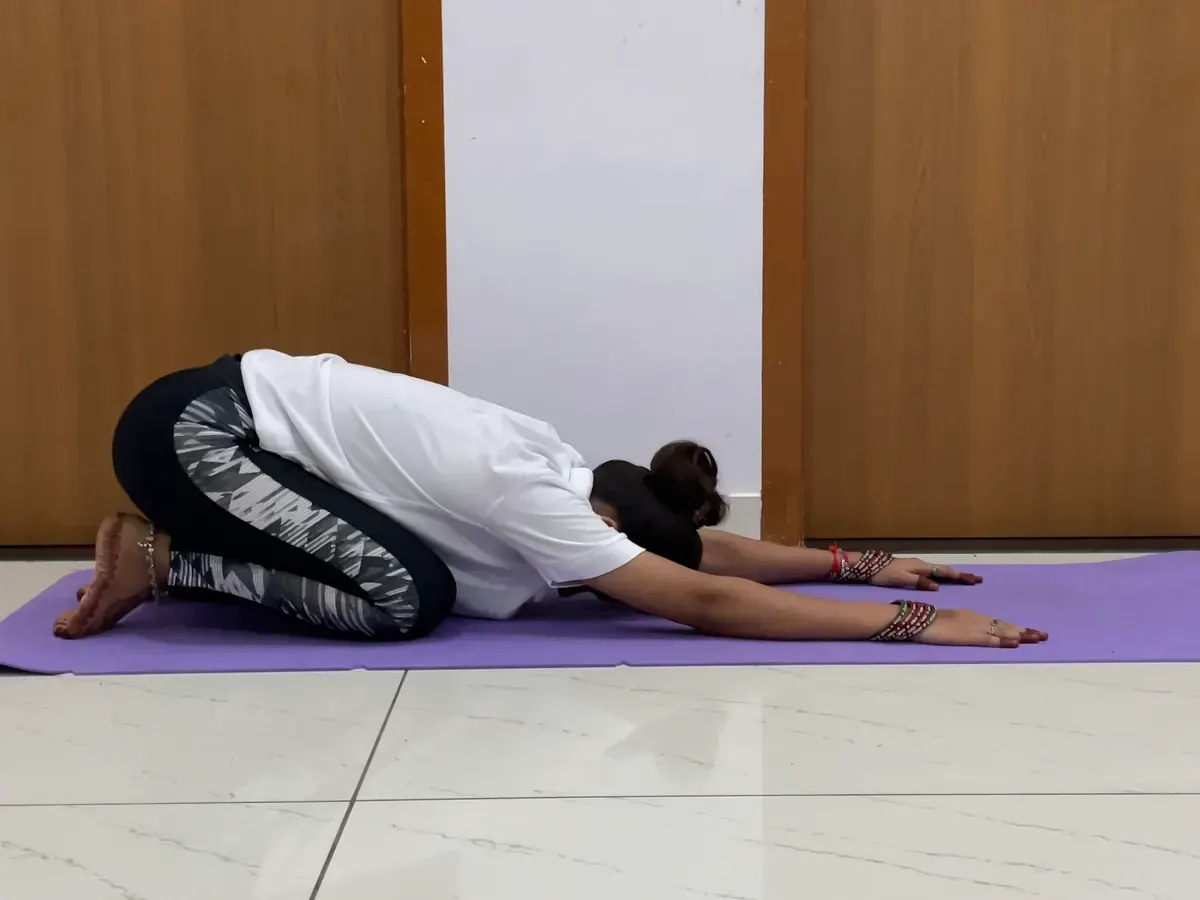
- Balasana (Child’s Pose)Calms the mind and the back. Rest here when you feel tired.
Pranayama
- Anulom Vilom5 minutes a day. To reduce stress and restlessness.
- BhramariBreathing out with a humming bee sound. Calms the mind.
- KapalbhatiOnly after your doctor and teacher agree, starting slowly. Not during periods or pregnancy.
Yoga during periods
On your period days, listen to your body. You can do gentle stretching, Baddha Konasana, Balasana, Anulom Vilom and Shavasana. Avoid strenuous asanas, fast Kapalbhati and inversions. If you have a lot of pain or tiredness, resting is completely fine too.
What matters alongside yoga
- Daily practice. Aim for 30 to 50 minutes, 5 days a week.
- The medicine and check-ups your doctor recommends.
- Simple home food, with less sugar and fewer packaged foods.
- Enough sleep, at roughly the same time every day.
If weight is also your goal, read yoga for weight loss at home. Before you start at Yoga with Latu there is a health form and a starting call, where you can tell us about PCOD or thyroid so your practice is planned around it.
Frequently asked questions
Can yoga make PCOD go away?
Yoga cannot replace PCOD treatment. Alongside your doctor’s treatment, it can help manage stress, weight and lifestyle.
Which yoga is best for PCOD?
Asanas and pranayama such as Baddha Konasana, Malasana, Setu Bandhasana, Bhujangasana and Anulom Vilom are often suggested. Practising daily matters more than any single asana.
Can I do Kapalbhati with PCOD?
Many women do, but with their doctor’s and teacher’s advice, starting slowly. Don’t do Kapalbhati during periods or pregnancy.
How soon does yoga show results for PCOD?
Changes in mood, sleep and energy can be felt within a few weeks. Changes in periods and weight take longer, and differ from body to body.
This article is general information, not medical advice. If you have a health condition, an injury or are pregnant, talk to your doctor before you start yoga.