
Yoga for Beginners at Home: Your First Week Plan

The hardest part of starting yoga is the first week. What to do, how much, am I doing it right: many people stop at these questions. So here is a straightforward plan: 7 days, about 20 minutes a day, only easy poses.
What you need before you start
- A mat, or a folded rug if you do not have one. For choosing one, read how to choose a yoga mat.
- Loose, comfortable clothes.
- A small pillow or folded blanket for support.
- A time on an empty stomach or 2 to 3 hours after a meal. Mornings are easiest.
If you are pregnant, had recent surgery, have high BP, a heart condition or a long-standing pain, check with your doctor before you start.
Your first week plan
- Day 1: Get to know your breath and bodySit comfortably and breathe deeply for 5 minutes. Then gentle rotations of the neck, shoulders, wrists and ankles (sukshma vyayam). End with 5 minutes of Shavasana.
- Day 2: Standing posesAfter the warm-up, Tadasana, Vrikshasana (with a hand on the wall) and Trikonasana, 3 to 5 breaths each. Finish with Shavasana.
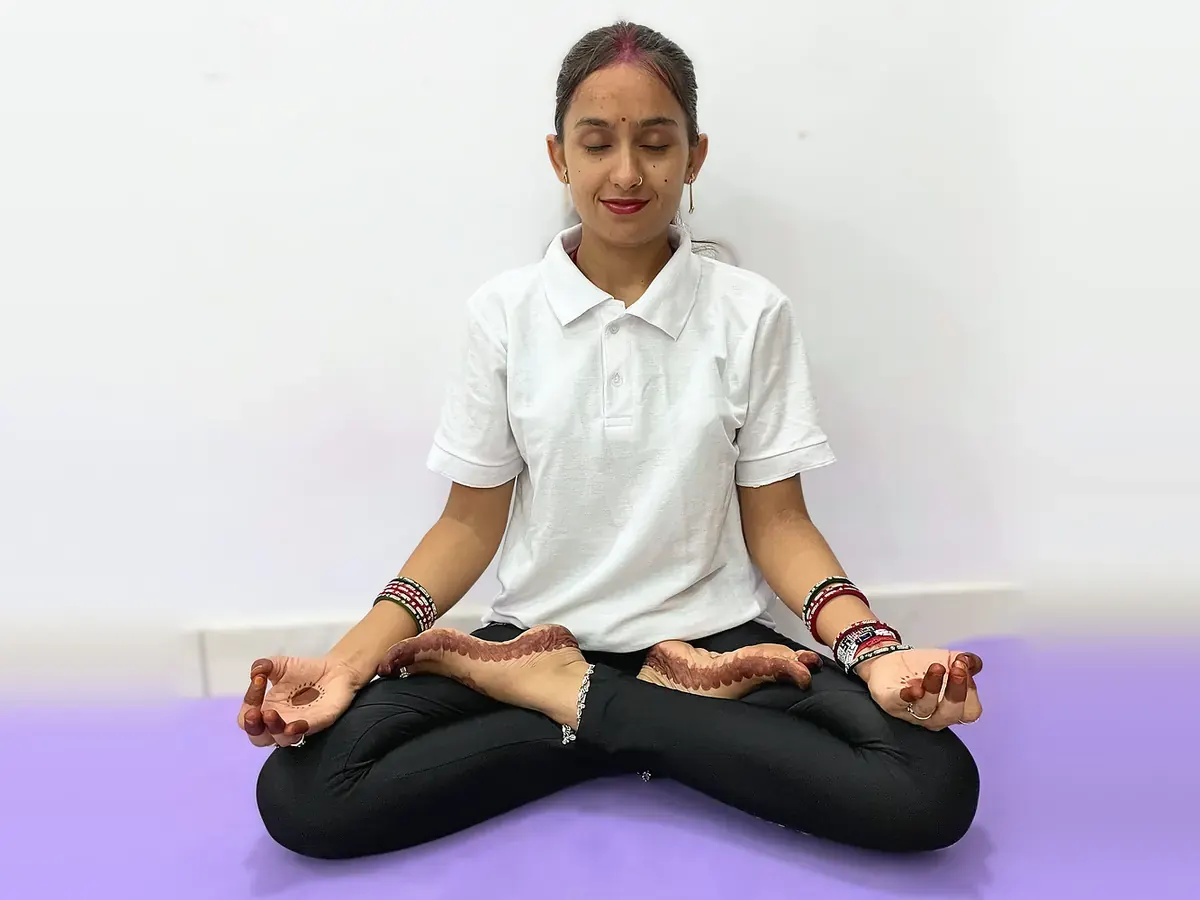
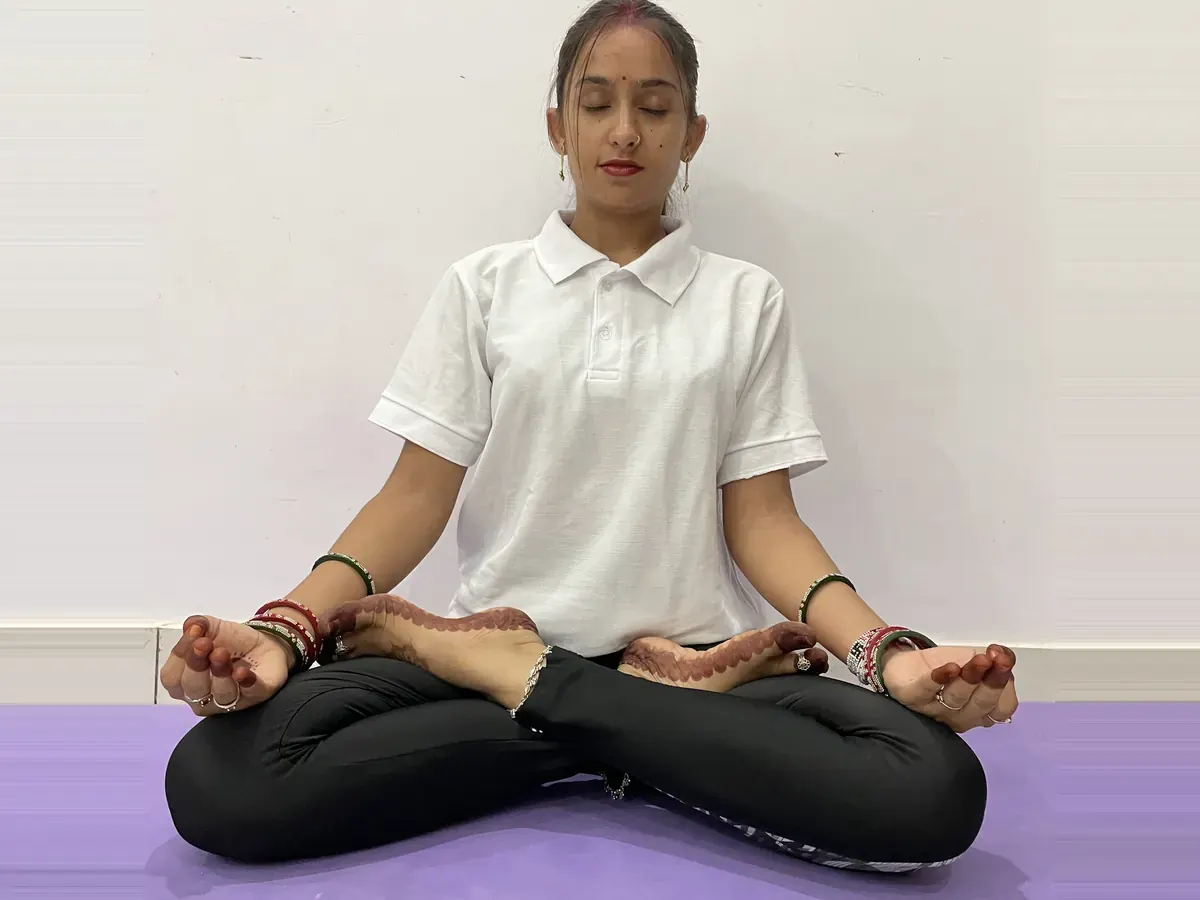
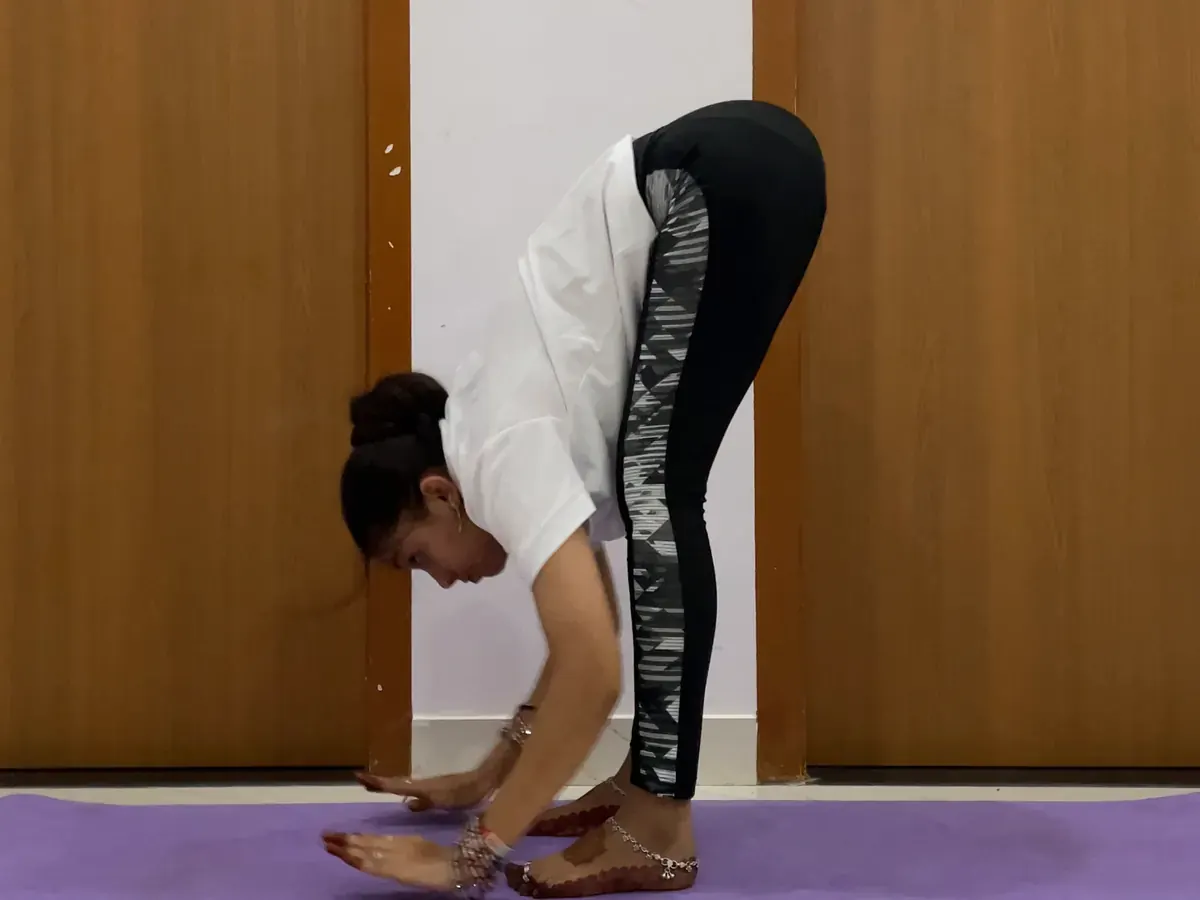
- Day 3: Seated stretchesBreathe in Sukhasana, then Baddha Konasana (butterfly), Paschimottanasana (knees bent) and a gentle seated twist. Practise keeping your back straight.
- Day 4: Rest and breathJust 10 minutes: 5 minutes of Anulom Vilom and 5 minutes of Shavasana. Give your body a chance to recover.
- Day 5: Poses on your backPawanmuktasana, Setu Bandhasana (low bridge) and Supta Baddha Konasana. An easy start for the back and stomach.
- Day 6: Poses on your stomachRest in Makarasana, then Bhujangasana (lifting only a little) and Balasana. If your lower back pinches, keep the movement small.
- Day 7: A full flowCombine two poses each from days 2, 3 and 5 into a short 20-minute flow. End with 5 minutes of Shavasana. Week one done!
In every pose, go only as far as is comfortable. A mild stretch is fine; pain is not. If you miss a day, carry on from where you stopped the next day; there is no need to restart the plan.
Common first-week mistakes
- Doing too much on day oneAn hour on day one, two days of soreness, then giving up. 20 minutes every day does more than one hour once.
- Holding your breathThe breath often stops in a pose. Keep breathing easily in every pose.
- Comparing yourself to othersThe pose you see in a video is years of practice. Your version today is the right version.
- Skipping ShavasanaThe last 5 minutes of rest are part of the practice. They let your body take in the work.
What to do after week one
In week two, repeat the same plan but stay 1 or 2 breaths longer in each pose. From week three you can start learning Surya Namaskar. It is hard to tell on your own whether your posture is right, which is where a teacher watching you in a live class helps a lot.
Frequently asked questions
How long should a beginner do yoga each day?
15 to 20 minutes a day is enough at the start. Doing it every day matters more than doing it for long.
Can I learn yoga at home without a teacher?
You can start easy poses on your own. But you cannot see your own posture mistakes, so it helps to have a teacher check you now and then, even online.
Should I do yoga in the morning or evening?
Whichever time you can keep up every day is right. Mornings on an empty stomach are easiest; in the evening, wait 2 to 3 hours after eating.
What if my body aches in the first week?
Mild stiffness is normal and goes in a day or two. On that day, just do breathing and Shavasana. If the pain is sharp, stop and ask a doctor.
This article is general information, not medical advice. If you have a health condition, an injury or are pregnant, talk to your doctor before you start yoga.